


In this part 3 (of 4, in case you were wondering) on alternatives to popular entry-level malts, I am turning to Sherry-cask influence. Rather than leaning gently into it, like I did last week with the Aberlour 12 alternatives, I am going full throttle. Specifically, I’ll be exploring five alternatives to a sherry cask-aged whisky enjoyed by many, the Tamdhu 12-year-old. Which is in itself ironic. Tamdhu 12 was originally suggested to me as an alternative to a much hyped (and overpriced) whisky.
The (M) alternative?
M as in Macallan. That is how Tamdhu came into my view. I was just moving from casual whisky drinker to whisky geek and asking for advice on whiskies to explore. And as I went around asking for suggestions of whisky to try, more than once, I got the advice to skip Macallan and try Tamdhu instead. Not because Macallan is a bad whisky, although it isn’t a great one either. Because it is a dramatically overpriced one. Asking around €90 for a 40%, chill-filtered bottle of whisky, while your competitors are selling bottles with better specs at close to half the price, is the result of positioning the brand as a status symbol rather than a product. Or as some call it “enshittification”.
As someone with an instinctive dislike and distrust for status symbols and the pretence that comes with them, I didn’t need to be told twice. And I wasn’t sorry for it.
The Tamdhu 12 style
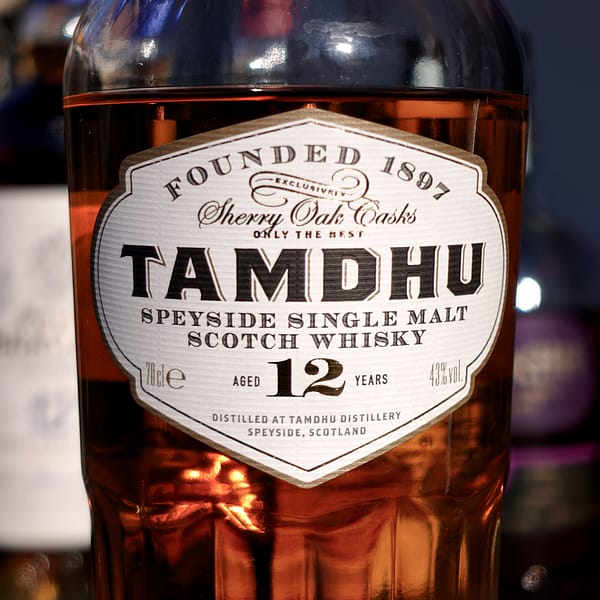
Tamdhu 12-year-old is a very good example of what a Sherried Speysider should be . Even at a relatively low 43% ABV (and as a result, chill-filtered), it is quite a rich dram. And I appreciate the colour being natural without caramel addition. On the nose, the core fruity and malty spirit blends elegantly with the spicy notes brought by the Sherry cask. The palate is quite rich, veering more towards dried fruit, with just a touch of dried citrus peel and chocolate.
Check out my review of the Tamdhu 12-year-old here.
As much as I do like the Tamdhu 12 expression, I have not rushed to try more out of this distillery. All because of the same enshittification I accused Macallan of. The fact is that, outside of the 12, the rest of the Tamdhu range is being positioned progressively more into a premium range. The latest travel retail Gran reserva V, a non-age-stated whisky priced at €249 “for the discerning traveller” reaches a new peak. There must be a special kind of hell for this kind of marketing.
So, whether you are looking for Tamdhu 12 alternatives out of curiosity to explore new whiskies, or because, like me, you are getting tired of Tamdhu’s marketing shtick, let’s dive right into my alternatives.
Some excluded alternatives
Before diving into my picks for Tamdhu 12 alternatives, let me mention a couple I decided to exclude.
Starting with the broader “Secret Speyside” category of Independently Bottled whiskies. Many, especially those labelled “Secret Speyside (M)” are actually Macallans, and more often than not, Sherried. So, potentially, fantastic alternatives to the Tamdhu 12. Why did I decided to exclude them?
First of all, most are bottled at high ABV, and many are far from being affordable. So not great if you are just starting to explore whiskies. The one notable exception is Signatory’s extremely well-priced 100 Proof series, which released two Secret Speyside (M) bottlings.
Why aren’t they here, especially considering good reviews like this one? Because the two bottlings are long sold out and only available on the secondary market at inflated prices. Having said that, Signatory is continuing to release new bottles in its 100 proof series regularly. It is worth keeping an eye on the next releases. You never know when luck may strike.
The other alternative I often see when Tamdhu 12 is mentioned is the Glendronach 12 years old. It is easy to see why. Both are 12 years old and aged in Sherry casks exclusively (with some Pedro Ximenez for the Glendronach). Similarly, both are bottled at 43% and both have a solid fanbase who love these whiskies. Personally, I like Glendronach 12 significantly less than many. It’s an okay whisky, but it fails to excite me due to the disappointingly thin flavour on the palate. And, when tasted side by side against Tamdhu 12, it does not stand up to the quality of the latter.
Here are instead the five alternatives I would look for:
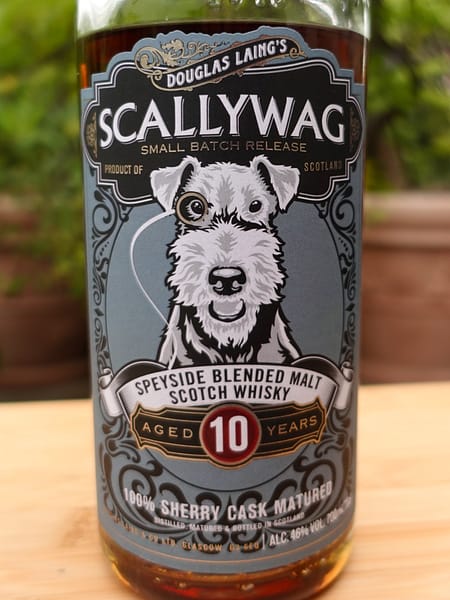
The Textbook Sherried Speysider: Douglas Laing’s Scallywag Blended Malt
I am not a big follower or believer in the value of Scottish Single Malt regions as a way to embody a whisky style. But, to be fair, Speyside is always associated with rich, elegant sherried whiskies. Tamdhu certainly fits the bill. Another good value line of whiskies falling squarely into this category is Douglas Laing’s Scallywag Blended Malt whiskies..
If there ever was a textbook representation of the style, this would be it. This whisky is part of Douglais Laing’s Remarkable regional Malts. As typical of this range, it is also produced in a variety of special editions, which often bring some sort of twist to the core style. The core range is what I would choose if looking for Tamdhu 12 alternatives. And, between the base Non-Age-Stated version and the 10, I would go for the latter, as it is just a little richer and more cohesive as a whisky. The style is quite similar to Tamdhu 12, maybe a bit sweeter and with softer spice on the nose. This might be a great choice, especially if you like your whisky dram a bit on the smoother side
Check out my review of the Scallywag 10-year-old here.
The value option(s): Old Perth Blended Malts
This next pick among my Tamdhu 12 alternatives is really a family of whiskies rather than a single bottle.
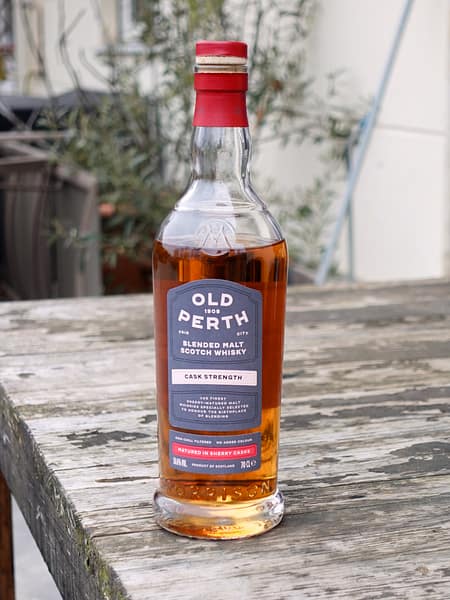
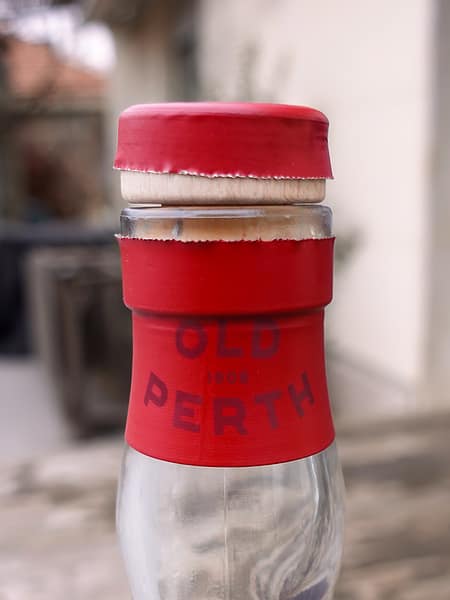
Old Perth is a line of Sherry-cask aged Blended Malts all made in the “traditional” Sherried Speyside style. But it is so much more. It is a whisky line that opens the doors to explore the impact each style of sherry has on whisky.
The Original, the 12-year-old and the Cask Strength are all great examples of the style and incredible value for money. I have not tried the 12 yet, so I cannot be certain which one I prefer, but I do have a spot for the Cask Strength with its Christmas pudding notes of dried fruit, treacle and spices.
And if you want to explore and discover what the various Sherry cask types can bring to a whisky, look no further than Old Perth Limited releases. These are individual bottling series exclusively matured in one specific Sherry cask type, like Manzanilla or Amontillado. Definitely worth seeking out if you are a sherried whisky fan and want to delve deeper into this side of Scotch.
Check out my review of the Old Perth Cask Strength here.
The new kid on the block: Clydeside Napier
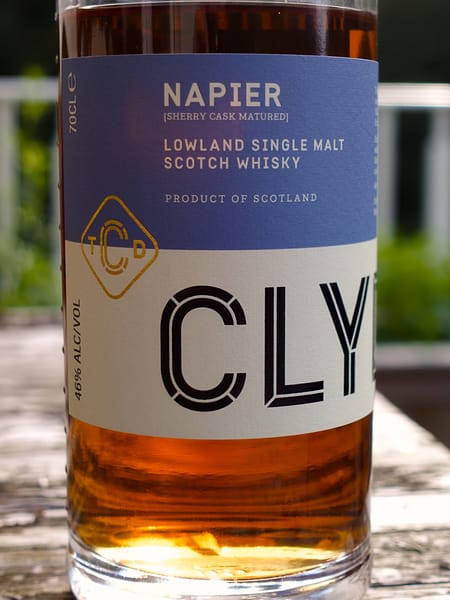
Among the growing number of new Scottish distilleries producing excellent and exciting whiskies, a few have released reliable, regular Sherry-aged versions. Whiskies like Ardnamurchan’s AD Sherry Cask or Lagg’s Corriecravie are great sherried drams, but in a very different style. So instead, I am heading to Glasgow’s Clydeside Distillery for their Napier expression.
The Napier is aged in American Oak Sherry casks, which is evident from the rich aroma and taste of red fruits at its core, together with more common Sherry-driven spice and dried fruits. It’s an interesting one to try next to the Tamdhu 12, which I suspect is aged mainly in European Oak casks, to notice the differences between the two, while enjoying two very good drams at the same time.
Check out my review of the Clydeside Napier here.
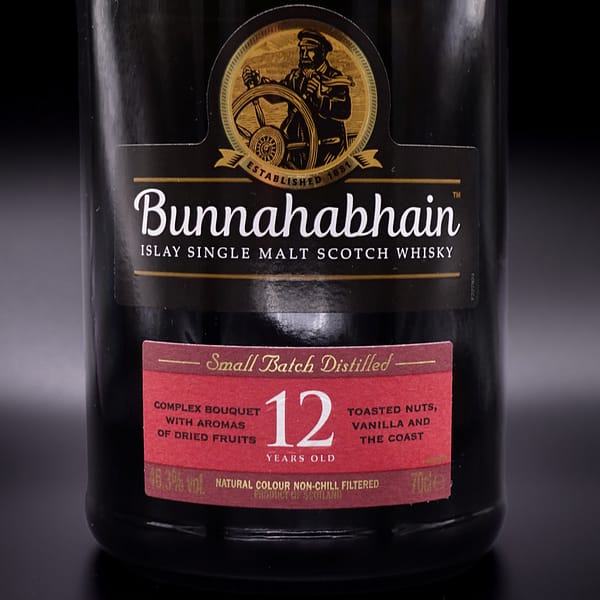
A different accessible take on sherry casks: Bunnahabhain 12
I do like to offer something a bit different in these “alternatives” lists I have been posting recently. Something similar enough to convey some familiarity, but different enough to show what a similar style approach can deliver in a different scenario. Islay seems very different enough.
But not a peated Islay, rather something unpeated coming from Bunnahabhain distillery, the core 12-year-old. Although this one is matured in both ex-Bourbon and ex-Sherry casks, it leans much more on the latter, so much so that you could think this was exclusively ex-sherry. There is a fruity core in the Bunnahabhain 12, with an added, noticeable maritime note, and the Sherry notes here are darker, veering more towards moka, chocolate and even a touch of tobacco.
There is some noticeable batch-to-batch variance with Bunnahabhain’s 12 in my opinion, and some batches are mellower or less intensely sherried than others. What they always are is enjoyable.
Check my review of the Bunnahabhain 12-year-old here.
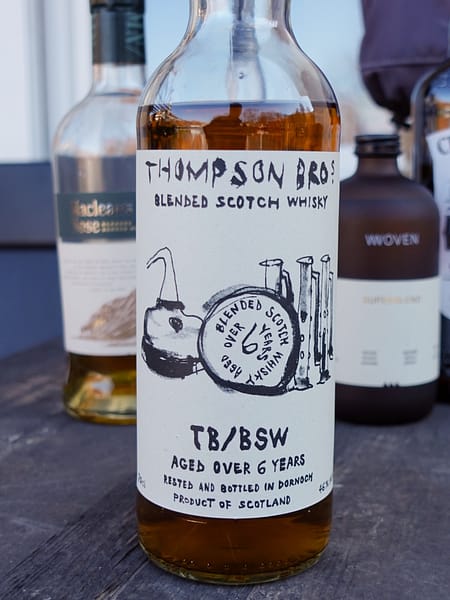
My top pick: Thompson Bro.s TB/BSW Blended Scotch
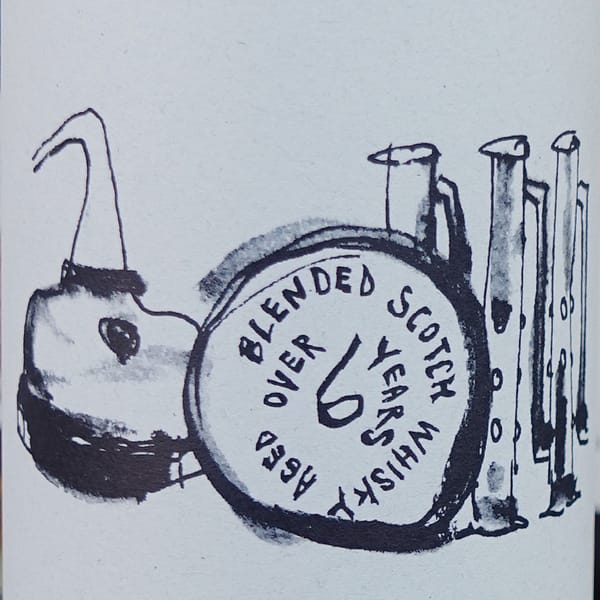
If reading Blended Scotch makes you disappointed that this is my best choice among the Tamdhu 12 alternatives, and even more when you realise this has a 6-year-old statement at that, please give me the benefit of the doubt for a few more minutes. Specs can be deceiving.
Blended Scotch may conjure images of supermarket shelves Justifiably so. But it might be time to rethink that. This is a category getting a new lease of life from smaller Independent Bottling companies in Scotland, creating some impressive, and often great value, blends. Just like the Thompson Bor.s (or Redacted Bros. in the US).
The age statement is also deceiving, in an almost playful way. The label talks about “aged at least 6 years”, hinting that there is much older stock here. And it certainly drinks as a whisky much older than that age statement. The TB/BSW drinks like a richly sherried whisky well in its teens. The style is reminiscent of what you find in Tamdhu 12, with the sherried notes turned up: darker, richer and just as spicy. Extremely enjoyable and all at a great price around €40. I am not ashamed to say this is a whisky I have bought multiple times, and has become a permashelf item.
Check my review of the Thompson Bro.s TB/BSW here.
Wrapping things up
The Speyside Sherry-cask aged whisky style remains a very popular category in Scottish whisky. So it is not a surprise that a classic entry-level option in the category, like the Tamdhu 12, has so many alternatives. I have picked my favourite five, though you could argue that, considering Old Perth and Scallywag’s product lines, there’s a lot more to explore here. If you tried some of these, let me know what you think of them. And, since I am sure I missed out on many other potential options, I’d love to hear what your alternaties to Tamdhu 12 would be.
See you soon with another post on whisky alternatives, it will be a smoky one.
Interested in my take on a specific whisky style? Check the full Journey here and jump to the relevant Chapter.
If you have enjoyed this content, please share a comment below and consider supporting the cost of this blog via the button below



I bought two bottles of the Signatory Secret Speyside (M) because they were heavily discounted to the same price as 12 year-old OBs like Aberlour and Glenfarclas. It’s nice whisky, but I haven’t rushed to open the second bottle, let alone to invest in my first Macallan.
I adore Old Perth cask strength and would choose it any day over the slightly cheaper Signatory Vintage. It’s one of those whiskies that make me lie awake at night, terrified it might suddenly not be available (West Cork Cast Strength) or double in price ( Glenfiddich 15 year-old distillery edition).
I also have to say I tried Tamdhu 12 a few years ago and was distinctly underwhelmed. Nice bottle, though.
Thanks for the comment Ken, and nice to hear you also enjoyed the Cask Strength Old Perth. I maybe like the Speyside M a bit more than you, but I think you are spot on on the Signatory 100 proof series in general – you cannot argue with the price (just below €50 here) for what you get, but, while always decent, only a few of the bottles I tried have been special.