


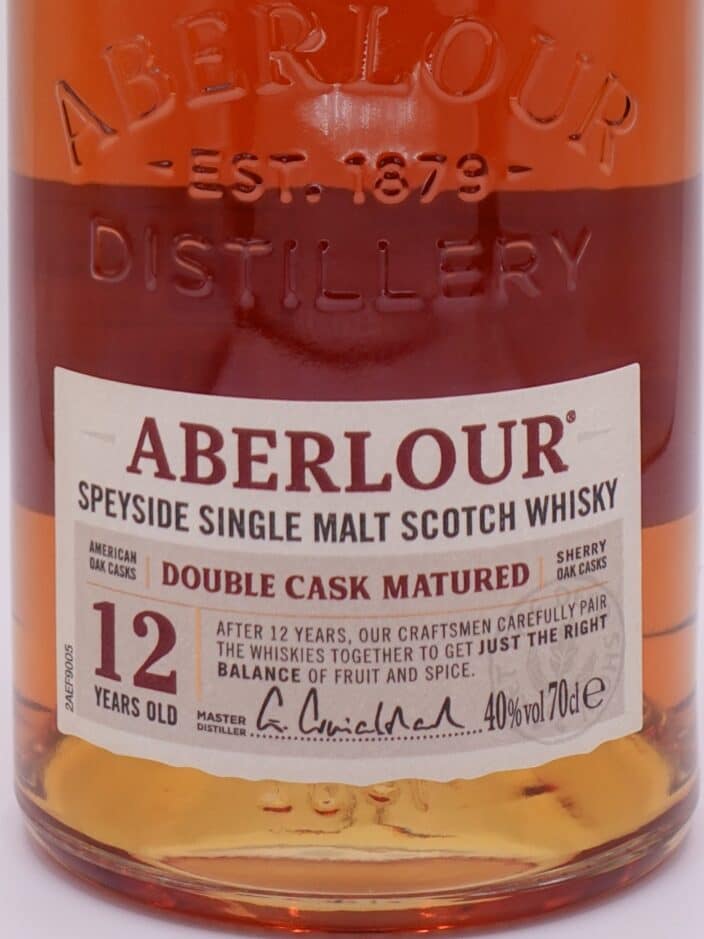
As I announced last week, for the next four weeks, I am taking a break from whisky reviews and my personal exploration of whisky. Instead, I am casting my eyes back to the early days of this blog.. There are a few reviews that keep receiving significant interest month after month. Understandably so: they cover four very popular beginner whiskies. Since this blog was born to help other whisky-curious drinkers explore the wonderful, multifaceted world of whisky, I wanted to link back to that spirit. So, if you ended up here out of curiosity for whisky, offering some help with the next steps for your journey seems only fair. After last week’s alternatives to Glenfiddich 12, today I am looking at five alternatives to the Aberlour 12 Double Cask
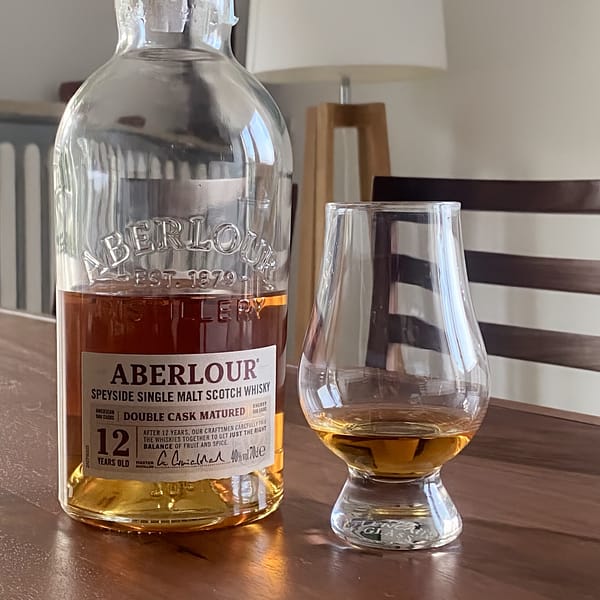
The Aberlour 12 Double Cask style
If you’ve landed here, it is likely that you either tried some Aberlour 12 and enjoyed it. Or maybe you are considering buying some but haven’t made up your mind yet. For those falling in the first camp, hopefully, the list of whiskies below will provide some input for future whisky exploration. If you fall into the latter, you might want to consider jumping straight into one of the suggestions below.
Don’t take that as a negative comment against Aberlour 12. It is a decent entry-level whisky, but there are so many better options which combine Bourbon and Sherry cask ageing, providing a more engaging drinking experience. And before you wonder, the ever-popular Balvenie 12 will not make an appearance today. To explain how I picked my alternatives below, I should explain what Aberlour’s 12 Double Cask character is. After all this was the starting point for choosing the five suggestions below. Aberlour’s 12 flavour profile combines the vanilla and white fruit of ex-Bourbon cask ageing with some of the orange, chocolate and spice aromas coming from the ex-Sherry casks.
Check out my review of the Aberlour 12-year-old Double Cask here.
Like many whiskies bottled at 40% and chill-filtered, the mouthfeel and taste in the Aberlour 12 are somewhat lacking. But more than anything, the reason the alternatives below are a more engaging option is how the cask profiles combine. Here they are like separate layers, overlapping but not marrying together. A bit like oil and vinegar not mixing, when instead, what you really want is a nice, creamy salad dressing. For the five options below, I have picked whiskies where the combination of casks works to amplify and lift the whisky rather than just add their individual flavours.

More intensity, similar profile – option 1: Glen Garioch 12-year-old
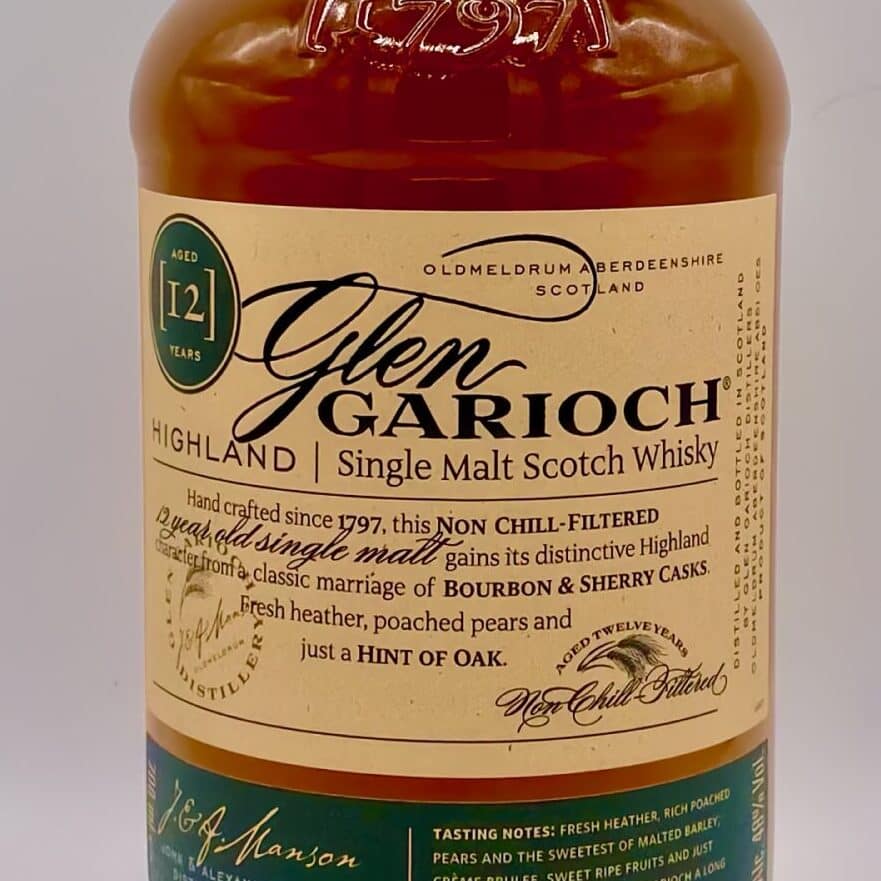
Glen Garioch 12-year-old is the only whisky out of today’s bunch which I haven’t reviewed yet, but it is a bottle I have enjoyed recently and will be featured at some time in the future on these pages. Like the Aberlour 12, it is aged in a mix of ex-Bourbon and ex-Sherry casks and bottled at 48% without chill filtration (but apparently still caramel-coloured).
The double ageing here is skewed towards the ex-Bourbon influence and the spirit character, with the sherry adding a layer of richness. The main aromas are fruity, honeyed and slightly floral, enhanced by Sherry-driven notes of toffee, raisins and spice. The result is a richly fruity dram which really shows how the double cask influence can work to create a marriage of flavours
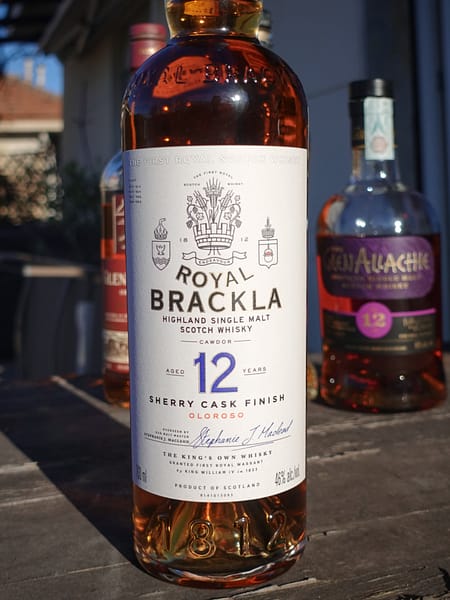
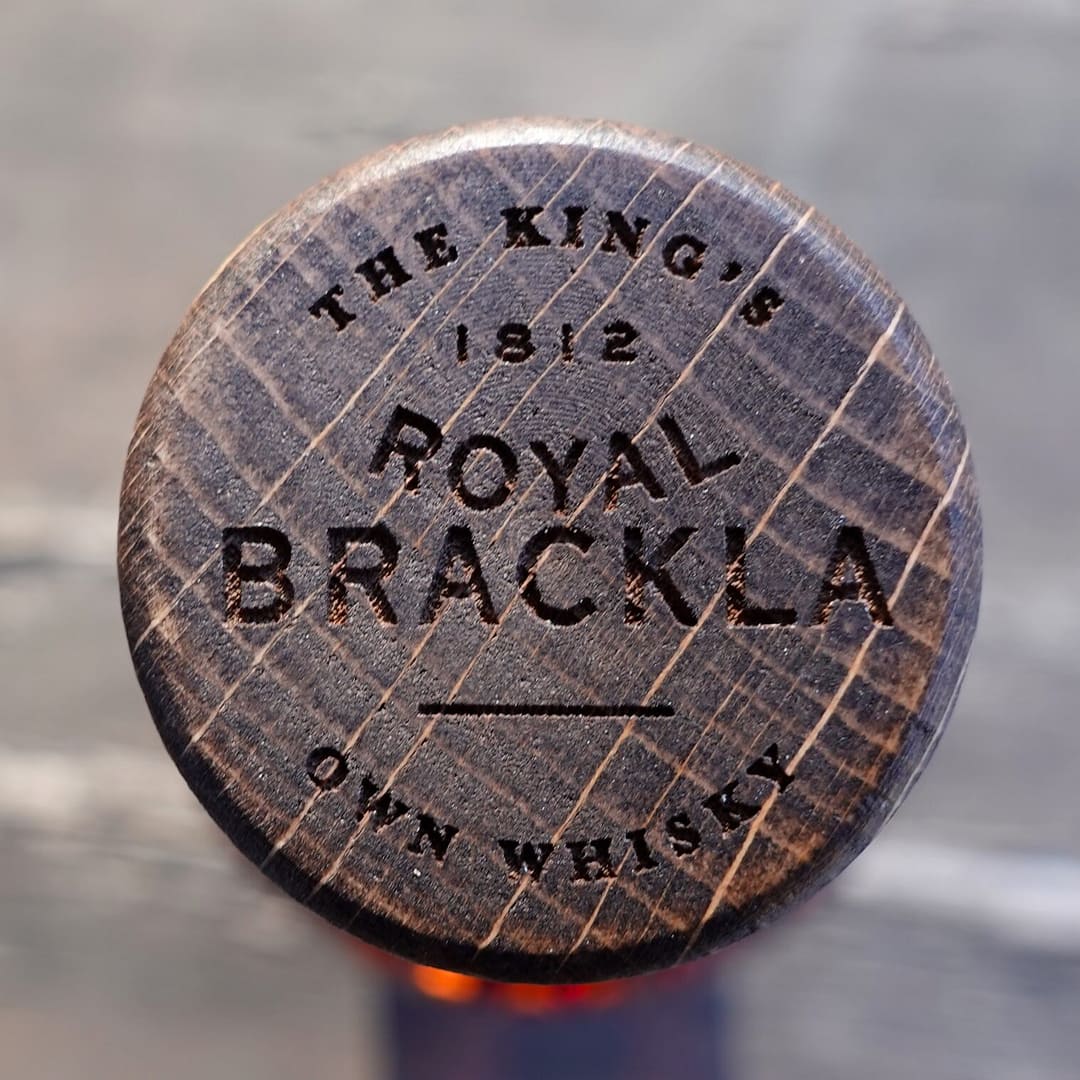
More intensity, similar profile – option 2: Royal Brackla 12-year-old
While this is not a double-aged single malt, but rather an ex-Bourbon finished in Oloroso Sherry casks, the resulting profile is similar to that of other malts on today’s list. When I originally reviewed it, freshly opened, it seemed more sherried than what the Aberlour 12 or the Glen Garioch are, so it nearly didn’t make it as an alternative, but over time it changed, becoming more balanced. Today, it is one of those bottles I regularly reach for, and it has become a permanent feature on my whisky shelf, or permashelf as the whisky geek community might call it.
What I love about this whisky is how it marries the two cask influences with the natural character of the spirit. It has elegant yet rich notes of orchard fruit, citrus, barley, dried fruit, and hints of mocha. And, if you get a good batch, you might even be lucky and get a whiff of Brackla’s signature old-fashioned hairspray note. I know, it sounds weird but I promise it works in combination with everything else.
Check out my review of the Royal Brackla 12-year-old here.
Up to now, I have picked two alternatives similar to the Aberlour 12. But maybe you would like something a bit different…
A different take on double cask maturation: Glen Scotia Double Cask
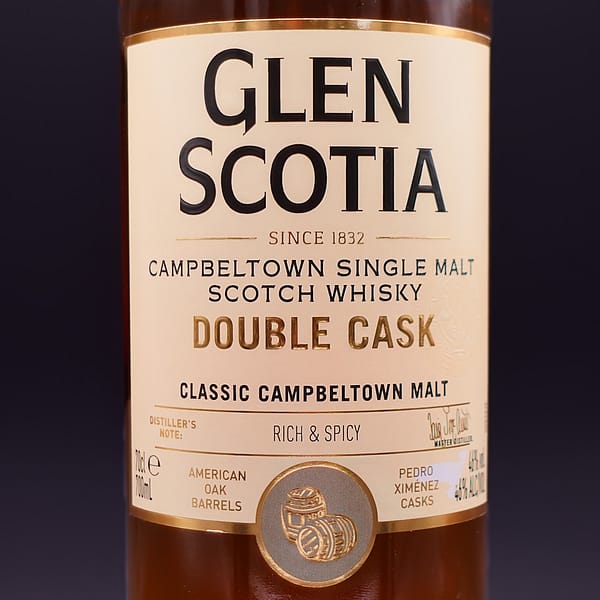
Maybe you want to try out what ex-Bourbon and ex-Sherry casks can bring in another region of Scotland. One admired by whisky lovers worldwide: Campbeltown. Now, many of Campbeltown’s best are made using double cask ageing. Yet bottles like Springbank 10 or Kilkerran 12, marked by the characteristic Campbeltown funk and maritime character, are a category of their own, which – at least for those in the early days of approaching whisky- can be a bit overwhelming.
Glen Scotia provides a more accessible introduction to this style with the Double Cask, which maintains its maritime character but has minimal funk. It combines cask influence and spirit character seamlessly. Similar to the Royal Brackla, this is an ex-Bourbon whisky finished in Sherry casks, specifically PX Sherry this time. The fruity and maritime qualities of Glen Scotia’s spirit blend with the rich, fudgy, and spicy PX character. All this at a great price – it typically costs around 40€ and is often available closer to 30€ during promotions.
Check out my review of the Glen Scotia Double Cask here.
P.S. If you are curious about Glen Scotia, look out for their new 12-year-old, just released in the UK – it is a 100% ex-Bourbon aged whisky. It promises to be a new great entry-level whisky. (Just not an alternative to Aberlour 12.)
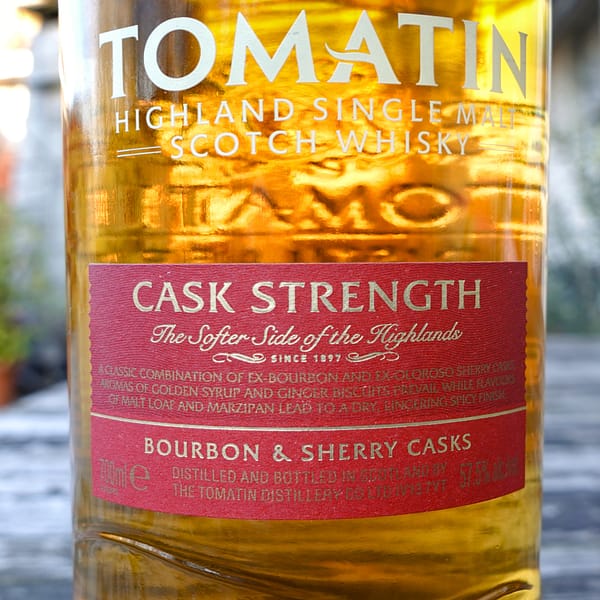
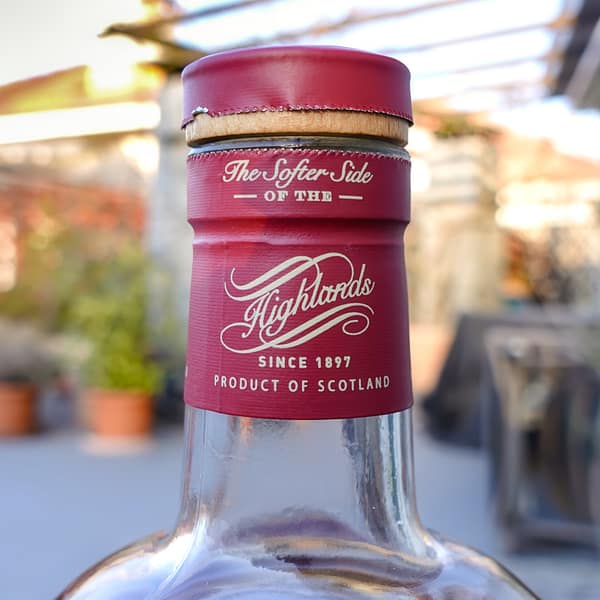
The cask strength option: Tomatin Cask Strength
Alright, let’s get one thing out of the way. Cask Strength whisky is usually not what I would suggest to try in the early stages of whisky exploration. But there are always exceptions to the rule. And the Tomatin Cask Strength is that exception.
So, if you’re feeling a bit brave and want something that is a great alternative to the flavour of the Aberlour 12 Double Cask, give this a try. Just make sure to have a glass of water and a teaspoon at the ready to dilute the whisky to the alcohol level you are most comfortable with. After all, that is one of the delights of cask strength whisky. No one will judge you for adding water to taste.
Besides the obvious differences in ABV and texture, the Tomatin Cask Strength is very similar to the Aberlour 12 in character. The aromas are Bourbon-driven, with the sherry providing richness, spice and warmth. Where the Tomatin differs, and shines, is in having additional notes of citrus juice and sour fruit candy. This add a lovely, refreshing balance on both nose and palate.
Check my review of the Tomatin Cask Strength here.
My top pick: Craigellachie 13-year-old
I thought long and hard about what to choose as my top pick alternative to the Aberlour 12. If for the Glenfiddich 12 alternatives list, I went with something similar in style. Here I am picking a bottle which marries the two cask influences in a much more successful way. That bottle is the Craigellachie 13-year-old. Like Royal Brackla, this is another Dewar’s?Bacardi-owned distillery. And like Brackla, this has become a permashelf item for me.
The reason for that is how serviceable this entry-level whisky is. For new drinkers, it is pleasantly grainy and pineapple candy-like with a twist of Sherry-driven spice. With more experience, you start picking up the unique spirit character, freshly washed wool jumpers to my nose. There are also slightly savoury notes and even a hint of smoke coming from the minimal peat used here. As a drinker, this is a bottle you can grow with. And that is one of the highest compliments I can give to a whisky.
Check my review of the Craigellachie 13-year-old here.



Wrapping things up
Aberlour 12 Double Cask is a very popular entry into the Double Cask ageing category. As one of the most used ageing styles in single malt, there are loads of alternatives out there. So while Aberlour brings the nature of the two casks in the glass, it leaves them a bit separate, overlapping rather than married together. There are many alternatives which do a better job at marrying the two characters together.
The five suggestions I picked above are a great starting point if you love this flavour profile. But maybe you have other suggestions. After all, there are loads to choose from. If you do have other suggestions, I would love to hear your thoughts in the comments. And if you tried some of these alternatives, let me know what you thought below.
See you soon with another post on whisky alternatives, next time leaning into full Sherry maturation.
Interested in my take on a specific whisky style? Check the full Journey here and jump to the relevant Chapter.
If you have enjoyed this content, please share a comment below and consider supporting the cost of this blog via the button below



Thanks for the Tomatin recommendation – I’ve added it to my wish list. I thoroughly endorse your comments about the Glen Scotia, Glen Garioch and Craigellachie. I’ve never tried Royal Brackla; for some reason it’s not competitively priced in Australia.
One of my favorite online retailers lists a 48% Aberlour 12 Year Old Non Chill-Filtered at a very attractive (discounted) price, described as “A big step up from Aberlour’s regular 12YO”. I look forward to trying it soon.
Thanks for your insight, Ken. It is odd how regional pricing can be so different. Royal Brackla, here in Europe, is priced in the same range as the other bottles on the list (excluding Tomatin).
On the other hand, the Aberlour 12 non-chill-filtered was significantly more expensive back when I reviewed the “original” 12, nearly double the price. I see it has come significantly down in price, so maybe one to try at some point for me too. Thanks for reminding me of that bottling!